What Do You Need for a Construction Site? A Complete Checklist
A construction site needs proper permits, a prepared work area, safety equipment, construction materials, tools and machinery, temporary utilities, trained workers, and effective project management. The exact requirements depend on the project’s size, location, building type, and scope of work. Whether you are constructing a residential property, developing a multifamily community, or building a commercial facility, preparing these essentials before work begins helps keep the project organized, safe, and on schedule.
1. Construction Permits and Required Documentation
Before construction begins, the project must have the appropriate approvals and documentation. These requirements help ensure that the work complies with applicable building codes, zoning regulations, environmental requirements, and local safety standards.
Common documents and approvals include:
- Building permits: Authorization from the appropriate local authority to carry out construction work.
- Approved construction plans: Architectural, structural, electrical, plumbing, and mechanical drawings, as applicable.
- Site plans and surveys: Documents showing property boundaries, building placement, access points, drainage, and existing site conditions.
- Engineering documents: Structural calculations and other technical specifications required for the project.
- Inspection records: Documentation of required inspections and approvals throughout construction.
- Environmental and land-use approvals: Additional permits or assessments when required by the project’s location and scope.
Contractors should verify which permits and inspections apply before mobilizing workers and equipment. Requirements vary by jurisdiction, so the project team should coordinate with local authorities and qualified design professionals.
Proper planning is particularly important for larger developments. Nations Construction offers development services that can support projects during the planning and development process.
2. Site Preparation and Access
A construction site must be prepared before foundations, structural work, or other major activities can begin. Proper site preparation provides a stable work area, establishes safe access, and reduces the likelihood of unexpected delays.
Essential site preparation activities include:
- Site clearing: Removing vegetation, debris, and other obstructions where authorized.
- Grading and excavation: Preparing ground elevations and excavating areas according to approved plans.
- Soil evaluation: Assessing ground conditions and determining whether additional stabilization or other measures are necessary.
- Surveying and layout: Marking building corners, foundations, utility routes, and other important reference points.
- Drainage management: Planning for runoff, erosion control, and water accumulation.
- Temporary access roads: Establishing routes for workers, deliveries, construction vehicles, and emergency services.
The site should also have clearly defined entry and exit points. Delivery areas, vehicle routes, pedestrian paths, and equipment operating zones should be arranged to minimize conflicts.
For renovation projects, preparation may involve protecting existing structures, isolating work areas, and coordinating access around occupied portions of a building. Nations Construction provides renovation services for projects that involve improving or modifying existing properties.
3. Construction Site Safety Equipment
Safety equipment is one of the most important requirements on any construction site. Workers need appropriate personal protective equipment (PPE), while the project also requires safeguards that protect employees, visitors, delivery personnel, and the surrounding public.
Common safety essentials include:
- Hard hats: Protecting workers from certain falling-object and impact hazards.
- Safety glasses and face protection: Reducing exposure to flying particles, dust, and other hazards.
- High-visibility clothing: Helping workers remain visible around vehicles and machinery.
- Protective footwear: Providing appropriate protection against impact, punctures, and other job-specific hazards.
- Work gloves: Protecting hands from cuts, abrasions, chemicals, and other task-related risks.
- Hearing protection: Reducing exposure to excessive noise from equipment and tools.
- Fall-protection systems: Providing appropriate protection when workers perform tasks at heights.
- Respiratory protection: Used when required by the hazard assessment and applicable regulations.
PPE alone is not enough to maintain a safe work environment. Construction teams also need site-specific safety procedures, hazard assessments, emergency plans, and regular safety briefings.
Additional controls may include guardrails, properly secured ladders, excavation protection, machine guards, fire extinguishers, warning signs, and restricted-access barriers. First-aid supplies should be readily accessible, and workers should know how to report incidents and obtain emergency assistance.
Safety requirements should be determined by the actual hazards present on the site and applicable regulations, including relevant Occupational Safety and Health Administration (OSHA) standards in the United States.
4. Construction Tools, Equipment, and Machinery
The tools and machinery required for a construction site depend on the type of work being performed. A small residential project may need basic power tools and compact equipment, while a large commercial development may require heavy machinery, specialized lifting equipment, and multiple material-handling systems.
Typical construction equipment includes:
- Excavators and loaders: Used for excavation, earthmoving, and material handling.
- Bulldozers and graders: Used for site preparation and grading when needed.
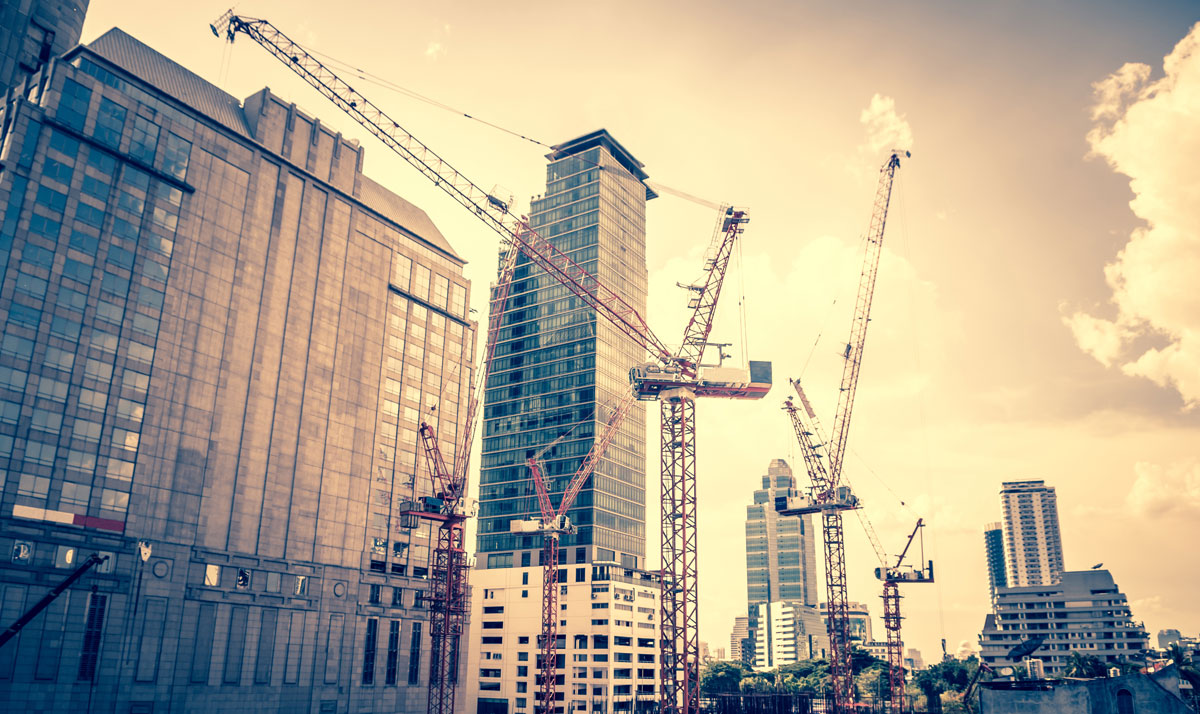
- Cranes and lifting equipment: Used to position heavy materials and structural components.
- Concrete mixers and pumps: Used for concrete placement and related activities.
- Scaffolding and ladders: Providing access to elevated work areas when properly selected and installed.
- Power tools: Including drills, saws, grinders, and fastening equipment.
- Measuring and layout tools: Including levels, measuring tapes, laser levels, and surveying instruments.
- Material-handling equipment: Such as forklifts, pallet jacks, and hoists where appropriate.
Before equipment arrives, project managers should determine whether it is more practical to purchase, rent, or use subcontractor-provided machinery. Equipment selection should account for the site’s available space, ground conditions, project schedule, operating costs, and required operator qualifications.
All machinery should be inspected and maintained according to applicable requirements and manufacturer instructions. Only trained, authorized personnel should operate equipment, and designated work zones should be maintained around moving machinery.
5. Construction Materials and Supplies
Construction materials must be available at the right time and in the correct quantities to prevent unnecessary downtime. Material requirements vary according to the building design, structural system, finishes, and mechanical, electrical, and plumbing specifications.
Common materials include:
- Concrete and cement products: Used for foundations, slabs, footings, and other structural or nonstructural applications.
- Steel and reinforcing materials: Used in structural framing and reinforced concrete assemblies.
- Lumber and engineered wood: Used for framing, temporary formwork, and other approved applications.
- Masonry products: Including bricks, concrete blocks, and mortar.
- Roofing and waterproofing materials: Helping protect buildings against weather and moisture.
- Insulation and drywall: Used in appropriate wall, ceiling, and thermal-envelope assemblies.
- Windows and doors: Selected to meet design, security, energy, and performance requirements.
- Plumbing and electrical supplies: Installed according to approved plans and applicable codes.
- Finishing materials: Including flooring, paint, tiles, fixtures, and cabinetry.
Material procurement should follow the construction schedule and approved specifications. Ordering everything too early can create storage problems, increase the risk of damage, and tie up project funds. Ordering too late can delay installation and affect other trades.
The site also needs suitable storage areas. Materials should be protected from weather, moisture, contamination, theft, and accidental damage. Heavy items must be stored securely, and hazardous products should be handled and stored according to their safety data sheets and applicable regulations.
For projects involving multiple buildings or complex construction phases, coordinated purchasing and delivery schedules are especially important.
6. Temporary Utilities and Site Facilities
Construction workers need basic facilities and utilities to perform their jobs safely and efficiently. These should be arranged before the site becomes fully operational.
Depending on the project, essential provisions may include:
- Temporary electricity: For lighting, power tools, equipment, and temporary facilities.
- Water supply: For construction activities, cleaning, sanitation, and other approved uses.
- Sanitary facilities: Appropriate toilets and handwashing facilities for the workforce.
- Waste collection: Designated containers and arrangements for removing construction debris.
- Site lighting: Adequate illumination for work areas, access routes, and other locations where needed.
- Communication services: Reliable mobile or other communication access for coordination and emergencies.
- Worker rest areas: Suitable facilities for breaks and protection from adverse weather where required.
- Temporary offices: Space for meetings, documentation, scheduling, and daily site administration.
Electrical installations must be suitable for construction conditions and installed in accordance with applicable electrical safety requirements. Cables should be routed to reduce trip hazards and prevent damage, while temporary lighting must be adequate for the work being performed.
Water and sanitation arrangements should meet applicable health and workplace requirements. Waste should be separated where appropriate, with special handling for hazardous materials.
For larger projects, the site layout should account for these facilities without obstructing vehicle movement, deliveries, emergency access, or ongoing construction activities.
7. Skilled Workers and Qualified Contractors
Even with the right tools and materials, a construction project cannot progress without qualified people. The workforce should be organized around the project’s scope, sequence, and technical requirements.
Depending on the project, the team may include:
- Project managers and construction managers
- Site supervisors and forepersons
- Architects and engineers
- Surveyors
- General contractors and subcontractors
- Carpenters, masons, and concrete workers
- Electricians and plumbers
- Heating, ventilation, and air conditioning (HVAC) technicians
- Equipment operators
- Safety personnel and quality-control specialists
Each role should have clearly defined responsibilities. Project managers coordinate schedules, budgets, procurement, and communication, while supervisors oversee day-to-day activities and help ensure work follows approved plans.
Subcontractors should be engaged according to the construction schedule, with attention to licensing, qualifications, insurance, safety requirements, and the scope of work. Coordination is especially important when several trades need access to the same area.
A general contractor can help coordinate these moving parts and manage subcontractor activities. Nations Construction provides general contracting services for construction projects requiring organized execution and contractor coordination.
8. Project Management, Scheduling, and Budget Control
A construction site needs more than physical resources. It also requires a clear management system to coordinate tasks, monitor progress, and address issues before they become costly delays.
Important project management documents and processes include:
- Construction schedules: Identifying activities, milestones, dependencies, and deadlines.
- Project budgets: Tracking labor, materials, equipment, subcontractors, and other expenses.
- Procurement schedules: Ensuring materials and equipment arrive when needed.
- Daily site reports: Recording work completed, workforce levels, deliveries, weather conditions, and issues.
- Quality-control procedures: Confirming that completed work meets approved specifications.
- Change-order procedures: Documenting and approving changes to scope, cost, or schedule.
- Progress meetings: Coordinating responsibilities, resolving conflicts, and reviewing upcoming work.
- Document control: Maintaining current drawings, specifications, permits, inspection records, and other project documents.
Construction management also involves monitoring dependencies between trades. For example, electrical and plumbing rough-ins generally need to be coordinated with framing and inspections before walls are closed.
Effective construction management services can help organize project activities, improve communication, and keep work aligned with the established schedule and budget.
9. Waste Management and Environmental Controls
Construction activities generate waste, dust, noise, runoff, and other potential impacts. A site should have a waste management plan and environmental controls appropriate to the work and local requirements.
Key considerations include:
- Waste containers: Providing designated areas for construction debris and general waste.
- Material recycling: Separating recyclable materials where practical and permitted.
- Dust suppression: Using suitable measures to control airborne dust.
- Erosion and sediment control: Preventing disturbed soil from entering drainage systems or nearby waterways.
- Spill prevention: Storing fuels, oils, and chemicals safely and preparing for accidental releases.
- Noise management: Scheduling noisy work appropriately and following applicable restrictions.
- Hazardous waste handling: Identifying and managing regulated materials through appropriate procedures.
Before demolition, excavation, or renovation work, the project team should identify any potentially hazardous existing materials that require specialized assessment or handling.
Waste removal should be coordinated with the construction schedule so that debris does not obstruct access, create avoidable hazards, or interfere with deliveries. Environmental controls should also be inspected regularly, particularly after heavy rainfall or changes in site conditions.
10. Security and Site Access Control
Construction materials, tools, and equipment can be expensive, making site security an important part of project preparation. Access controls also help protect workers and prevent unauthorized individuals from entering hazardous areas.
Common security measures include:
- Perimeter fencing and barriers
- Clearly marked entry and exit points
- Warning signs and restricted-access notices
- Secure storage for tools and valuable materials
- Lockable equipment and material storage areas
- Adequate lighting around access points
- Visitor sign-in procedures
- Access records or monitoring systems where appropriate
The site should establish rules for deliveries, visitors, subcontractors, and after-hours access. Emergency exits and routes must remain accessible, and security measures should never obstruct emergency responders.
The level of security required depends on the project’s location, value of stored equipment, site layout, and exposure to the public. These measures should be reviewed throughout the project as site conditions and access requirements change.
11. Quality Control and Construction Inspections
Quality control helps confirm that construction work follows approved plans, specifications, and applicable building codes. Inspections should be integrated into the construction schedule rather than treated as a final step.
Typical quality-control activities include:
- Reviewing drawings and specifications before work begins
- Checking delivered materials against approved requirements
- Inspecting completed work before covering it with other materials
- Coordinating required municipal or third-party inspections
- Documenting deficiencies and corrective actions
- Verifying installations before the next trade begins
- Maintaining records of testing, approvals, and completed work
Depending on the project, inspections may cover foundations, structural framing, reinforcement, electrical systems, plumbing, fire protection, and other building components.
For example, foundation reinforcement may need to be inspected before concrete placement, while concealed plumbing or electrical installations may require approval before walls are closed. Exact inspection stages depend on the design and local authority requirements.
Quality checks throughout construction make it easier to identify issues early, reduce rework, and verify that completed work meets the project’s requirements.
12. Requirements for Different Types of Construction Projects
Although most construction sites share the same basic needs, the details vary according to the type of property being developed.
Residential Construction
Residential projects typically require approved plans, foundation and framing materials, building systems, finishing supplies, suitable access, and safety controls. The site layout should account for the property size, neighboring homes, utility connections, and the planned construction sequence.
Nations Construction offers residential construction services for residential building projects.
Multifamily Construction
Multifamily developments often involve multiple residential units, shared spaces, extensive utility coordination, and more complex scheduling. These sites may need larger material storage areas, coordinated subcontractor access, multiple inspection stages, and detailed planning for common areas and building systems.
Explore Nations Construction’s multifamily construction services to learn more about its work in this sector.
Commercial Construction
Commercial sites may require additional coordination for accessibility, fire and life safety, building systems, specialized equipment, and operational requirements. Depending on the building’s intended use, the project team may also need to coordinate with future tenants, operators, or other stakeholders.
Nations Construction provides commercial construction services for commercial building projects.
Specialized Care Facilities
Facilities serving specialized care needs may have specific requirements for accessibility, life safety, building systems, room layouts, and operational functionality. These considerations should be incorporated into design reviews, procurement, and construction planning from the beginning.
Learn more about Nations Construction’s specialized care construction services.
13. A Practical Construction Site Preparation Checklist
Before construction begins, the project team should review the following checklist to confirm that the essential requirements are in place.
- Required permits and approvals have been obtained.
- Construction drawings and specifications are available and current.
- Site surveys, layout, and ground preparation are complete as required.
- Access routes, delivery zones, and pedestrian paths are established.
- Safety procedures, emergency plans, and appropriate PPE are available.
- Tools, machinery, and equipment have been arranged and inspected.
- Construction materials are ordered, scheduled, and stored appropriately.
- Temporary electricity, water, lighting, and sanitation are provided as needed.
- Qualified workers and subcontractors are scheduled.
- Construction schedules, budgets, and reporting procedures are established.
- Waste management and environmental controls are in place.
- Fencing, signs, and site security measures are installed as required.
- Quality-control procedures and inspection schedules are documented.
- Communication and responsibilities are clear across the project team.
This checklist should be adapted to the project’s scope, site conditions, contractual obligations, and local regulatory requirements. Some items must be completed before mobilization, while others need to be verified before specific construction activities begin.
Prepare Your Construction Site for a More Organized Project
A well-prepared construction site needs the right permits, safe working conditions, suitable equipment, reliable material supplies, qualified professionals, and effective project management. Addressing these essentials early helps reduce delays, control costs, and support quality workmanship.
For help planning and managing your next construction project, explore Nations Construction’s services or contact the team to discuss your project requirements.